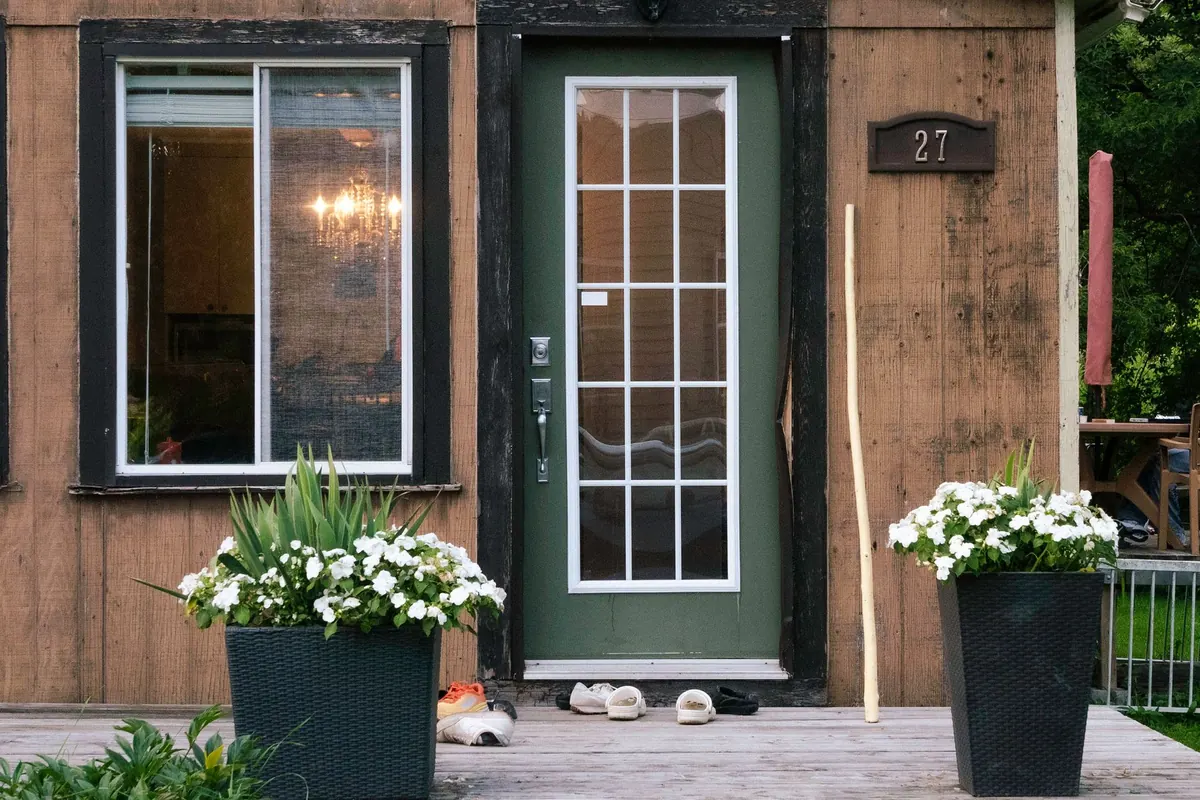
A front door works harder than any other part of the house. It takes the weather, the shopping bags, the shoulder of a courier, and the first impression of everyone who visits. It also has to lock properly at eleven at night without a fight. Replacing one is a modest project on paper and a fiddly one in practice, because the opening is rarely square, the walls are rarely straight and the details you notice afterwards are the ones nobody mentioned beforehand. What follows is the grounding you need before you order anything.
Measure the Opening, Not the Old Door
The single most common cause of a stalled front door replacement is a measurement taken from the door being removed. Door blanks and frames are sized to the structural opening between the walls, and the old frame may have been packed out, cut down or fitted badly decades ago.
Measure the brick-to-brick or plaster-to-plaster opening in three places across the width and three down the height, then use the smallest figure. Check the diagonals from corner to corner; if they differ noticeably, the opening is out of square and the fitter will need to know. Note the threshold height inside and out, whether there is a step, and which way the door currently swings. Hinge side and handing matter more than most people expect when ordering.
If you are buying made-to-measure, the supplier will usually send a surveyor before manufacture. Treat that visit as a second opinion rather than a substitute for your own notes, and be present for it. Point out the cracks, the loose render and the patch of damp at the bottom left corner. Better a hard conversation now than a door that will not close in November.
Choosing a Door Type That Suits the House
Materials narrow the field faster than style does.
- uPVC is the economical choice: low maintenance, decent insulation, limited profile options. Fine for many modern homes, less convincing on a period façade.
- Composite pairs a solid core with a moulded skin. It holds colour well, resists dents and is available in panel designs that mimic timber reasonably.
- Timber suits older properties and can be repaired rather than replaced. It needs periodic painting or oiling, and quality varies enormously between suppliers.
- Aluminium gives slim sightlines, which matters if you want a glazed door with more glass than frame. Check the thermal break and the finish warranty.
Then think about the detail: solid panel or glazed, single door or door with sidelights, colour inside and out, hardware finish, letterplate, knocker, house number. Glazed front doors are lovely for light in a dark hall, but ask for laminated or toughened safety glass and think about privacy film on the lower panes.
Security deserves its own question. Ask what locking system is fitted, how many points it engages, whether the cylinder is anti-snap, and whether the door carries third-party security certification recognised in your country. Good hardware on a flimsy door is no comfort; you want both.
Permissions, Boundaries and Paperwork
In many places a straight like-for-like replacement does not require planning permission. That said, the exceptions catch people out: flats and leasehold properties, listed buildings, conservation areas, and houses with conditions attached to their original planning consent. Some developments restrict door colour and style for years after completion.
A quick call or email to your local planning authority, with a photograph and the proposed specification, will settle it before you spend money. If your property is rented, get written consent from the landlord. If the work involves widening the opening or altering a structural element, that is a different project with different approval requirements. Take professional advice rather than relying on what a neighbour did.
Preparing the Entryway
A fitter can work around clutter, but the job takes longer and the risk of damage rises. Give the doorway a metre or two of clear space on both sides.
- Clear the hallway of coats, shoes, pictures and anything fragile within swinging distance.
- Roll back carpets or lay protective boards; dust sheets alone slide on hard floors.
- Remove existing door furniture and take down curtains or blinds near the opening.
- Arrange somewhere secure for pets and children for the day, and a plan for anyone who needs step-free access.
- Confirm parking for the van and check whether any tools need a power socket.
- Mention any hidden cables, alarm contacts or doorbell wiring near the frame.
If the surrounding render or plaster is cracked, decide in advance who repairs it. Most fitters will make good the internal reveals; external rendering is often a separate trade. Sorting that out beforehand avoids an awkward gap between the frame and the wall that stays there all winter.
What Happens on the Day
The old door comes out first, and with it a surprising amount of dust. The opening is then checked for level, plumb and square, and any rot or loose brickwork addressed before the new frame goes in. The frame is packed, fixed and sealed, and the gap between frame and wall insulated and finished. Only then is the door hung, the lock set aligned, and the hinges adjusted until the door closes with a gentle push rather than a slam.
A straightforward replacement is often a single day's work. If the opening needs rebuilding, or the door arrives with glazing that must be fitted on site, allow more. Ask the fitter at the quoting stage how long they expect to be there, and whether they will take the old door away.
After the Van Leaves
Test everything while the fitter is still on site. Open and close the door several times, lock and unlock it from both sides, and run a hand around the edge to feel for draughts. A sheet of paper closed in the door should resist being pulled out; a candle flame near the seal should not flicker.
New doors settle in the first few weeks, so hinges may need a small adjustment. Keep the keys, the guarantee and the product specification somewhere sensible. If you plan to paint a timber door, follow the manufacturer's guidance on how long to wait before decorating, and do not cover drainage or ventilation channels. Sealant joints should be checked annually; a five-minute inspection each autumn saves a frame replacement later.
Before You Sign: A Practical Checklist
Confirm the measurements in writing, including the opening size and the door handing. Check the specification lists glazing type, locking, threshold, finish and warranty period. Ask who is responsible for making good internally and externally, and how defects will be handled. Get the installation date and the removal of the old door in the quote. Then read the whole thing once more, slowly, before you pay a deposit.
A front door is one of the few purchases you will touch every day for twenty years. A little preparation now is what makes it feel like a proper upgrade rather than a compromise.
Photo: Henry De Leon / Pexels